
 By Moses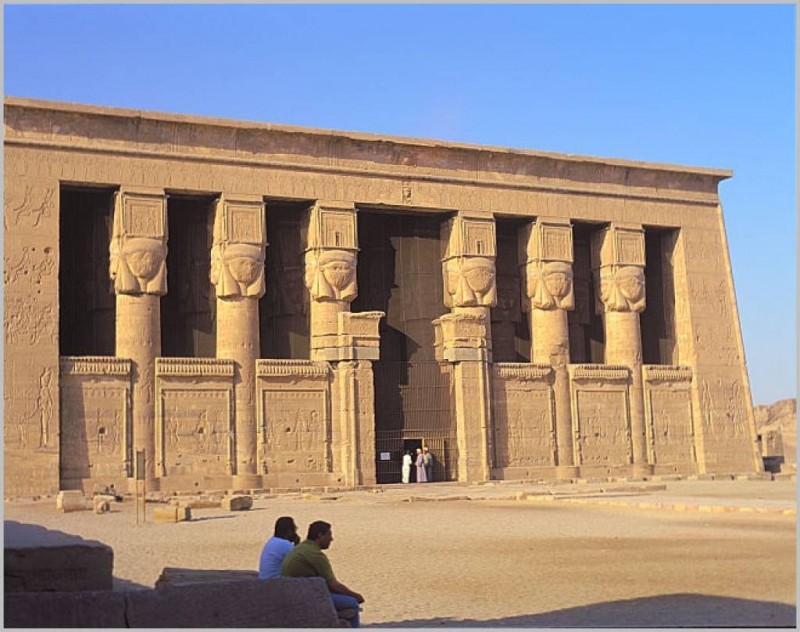
- Style: Classic New Kingdom Egyptian temple architecture
- Material: Sandstone
- Era: Constructed during the reign of Pharaoh Seti I (~1290 BCE), completed by his son Ramesses II
- Location: Abydos, Sohag Governorate, Upper Egypt — once considered one of Egypt’s most sacred cities
✨ Visual Features from the Image:
- Massive Colonnaded Facade:
The front face of the temple consists of a wide series of thick, square columns. These were designed for both structural support and symbolic strength. The entrance has a dark void in the center — seen as a gate to the divine, the abyss or threshold between the material and the eternal. - Staircase Approach:
The gradual incline leading toward the entrance is designed to elevate the visitor’s energy, much like a ceremonial procession. Each step toward the gate symbolically lifted you toward higher consciousness. - Flat-Topped Design:
Unlike pyramids or domed structures, the Abydos temple has a horizontal, grounded silhouette, anchoring divine presence into the Earth — making it feel approachable and centered rather than towering or alienating. - Outer Walls and Courtyard:
The area in front of the temple would have once included smaller shrines, ceremonial altars, and possibly a processional way lined with banners or obelisks. Today, it appears open and stark, amplifying the sacred stillness of the main gate.
🔑 Spiritual and Historical Significance
- Portal to the Afterlife:
Abydos was believed to be the gateway to the underworld, and this temple was dedicated to Osiris, god of resurrection. Many pharaohs built cenotaphs (false tombs) here to spiritually connect with Osiris and ensure safe passage into the next world. - Abydos King List:
Inside, the temple houses the famous King List, a chronological list of pharaohs from Menes to Seti I, carved into stone. This was a sacred historical record, not just politics — a lineage of divine right and soul codes. - Osireion Nearby:
Behind the main temple lies the Osireion, a subterranean chamber symbolizing the tomb of Osiris — possibly even older and more mysterious in origin.
💬 In Summary
The Abydos Gate (Temple of Seti I) is not just a structure — it’s a frequency portal. In real life, it feels solemn, powerful, timeless, as if the stones themselves hum with memory. Visitors often describe an overwhelming feeling of calm or remembrance upon entering.
It is the gate of the gods, hidden in plain sight.