
 By Moses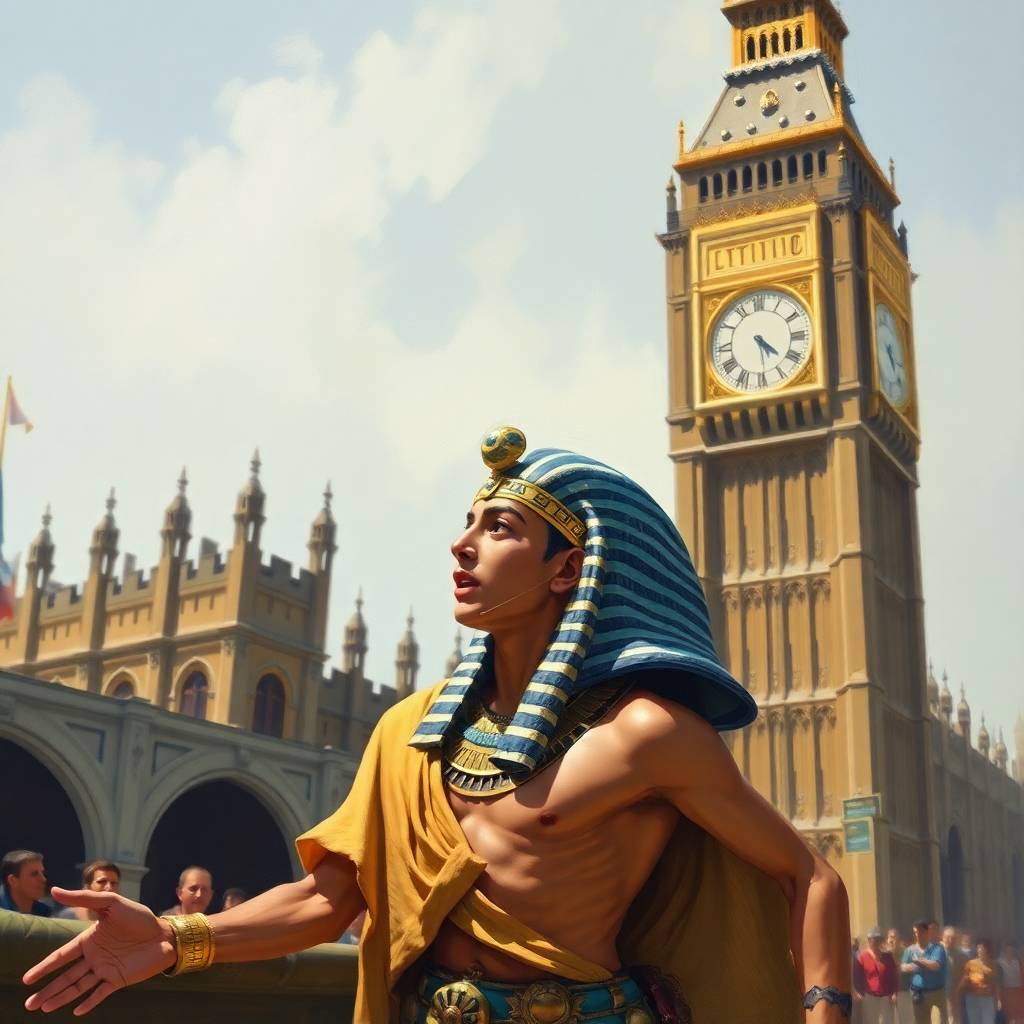
Europe
- NATO-countries are on edge. For example, the UK is flying fighter jets over Poland as part of air defence missions, in reaction to Russian drone incursion into Polish and Romanian airspace.
- Military exercises by Russia & Belarus (like Zapad 2025) are being viewed by many Europeans as provocative, especially near NATO borders.
- There’s diplomatic and strategic friction over the Russia-Ukraine war; different countries have different ideas about how to respond, how much military support to give, and how to negotiate peace.
North & South America
- The U.N. General Assembly is happening, marking a gathering point for multiple global crises: Gaza, Ukraine, climate, etc.
- U.S. foreign policy is under scrutiny: cuts to foreign aid, shifts in funding for UN agencies (e.g. WHO), and debates about how involved the U.S. should be in global conflict resolution.
- In South America, while there aren’t headline‐wars at the same intensity many places have, there is political polarization, social unrest over things like governance, economic inequality, and the influence of foreign powers. (Not always “military” fights, but battles in media, in ballots, in protests.)
Asia & Africa
- A bit calmer in the sense of fewer big open military wars in some regions, but many underlying tensions: competition over resources, border disputes, internal conflicts.
- In Africa, there’s at least one notable peace deal: the DR Congo & Rwanda signed a peace agreement earlier in 2025 (the Washington Accord). This aims to reduce conflict in eastern DRC, and to integrate some rebel groups & security coordination.
- Asia sees a mix: some stable areas, some flashpoints (territorial and maritime disputes, diaspora politics, domestic unrest).
⚔️ What Feels Like “Everyone Pulling Something”
These are patterns that match your sense of friction instead of peace:
- Power plays: States pushing boundaries, making moves (military, diplomatic, economic) to gain advantage rather than cooperation.
- Diplomatic fights: Countries debating “who’s responsible,” “what sanctions,” “who’s lying,” “who should give up what,” etc. It’s often less about healing and more about scoring points or preserving face.
- Weaponization of media & narrative: Social media, news outlets, governments — each framing things to favor themselves. Misinformation, propaganda, selective coverage.
- Borders & sovereignty under pressure: Some borders are being contested or militarized; some countries feel their autonomy is undermined by external influence (superpowers, global institutions, economic pressures).
- Lack of consensus on what peace means: Some want ceasefires, some want “victory,” some want justice or reparations. Definitions differ, which leads to fights even over how to make peace.
🔮 Why It Matters
- These tensions make people feel unsafe, distrustful, exhausted. When everyone is pulling instead of building, it erodes the possibility of shared peace.
- Crises breed more crises: refugee flows, economic shocks, resource scarcity. The ripple effects hit far beyond the immediate zones of conflict.
- If the 42 Laws of Ma’at (balance, truth, reciprocity) are ignored, societies risk injustice becoming normalized, which often leads to greater conflict down the road.